

A Scalable Discipleship Process For Churches & Small Groups
One framework for men's, women's, and co-ed groups — designed for multiplication, not just completion. Pastor-championed. Ordinary-led.
You've seen it before.
A group forms. They study Galatians. They finish. They study James. They finish. They study Philippians. They finish.
The loop never ends — and nobody multiplies.
Year after year, the same people consume content. But they never become disciple-makers. They never lead. They never take ownership.
And the burden stays on you.
Your Church Has Bible Studies.
But Are You Making Disciples?
This is the problem Ordinary Movement was built to solve.
Not another Bible study. Not another curriculum to manage. A reproducible discipleship process that turns consumers into contributors — and participants into leaders.
THE CONTRAST:
Typical Bible Study: 1 group → 1 leader → finish study → repeat with same people
Ordinary Movement: 1 group → 1 leader → participants become leaders → 10 groups → 100 groups → multiplication
What If Your People Could Run This Themselves?
Ordinary Movement isn't a program you manage. It's a grassroots process your ordinary members can lead — without adding to your plate.
Here's what makes it different:
Pastor-Championed, Ordinary-Led You cast vision and celebrate progress. Your people do the leading. No staff management required.
One Framework, Three Tracks Men's, Women's, and Co-Ed groups — all using the same proven 27-session process. One discipleship language for your whole church.
Built for Multiplication The goal isn't to finish a workbook. It's to raise up leaders who start their own groups. 2nd, 3rd, 4th generation disciples.
Free Platform & Coaching Our app, training, and resources are free. Workbooks have a small cost. We offer coaching throughout the launch process.
Imagine you start with 6 high-capacity leaders — 3 men, 3 women.
Each one leads a group of 10 people.
When those groups end, participants become leaders. They launch their own groups.
Here's what exponential multiplication looks like:
Year 1: 1 Mentor (You) → 6 Leaders → 60 Participants
Year 2: 7 Mentors → 60 Leaders → 600 Participants
Year 3: 67 Mentors → 600 Leaders → 6,000 Participants
Year 4: Dream big. This is what a disciple-making movement looks like.
This isn't theory. Churches are seeing this happen right now.
What Could Happen in Your Church
Church Small Groups and the Limits of Participation
Most churches already have church small groups.
They meet regularly.
They open Scripture together.
They pray for one another.
They build relationships that matter.
And that’s a good thing.
Small groups create space for community, spiritual encouragement, and honest conversation. For many people, they are the first place that faith moves past a Sunday service and into real life. Small groups are not the problem. In fact, they are often the starting point for meaningful discipleship.
But starting points are not the same as destinations.
Most small groups are designed for gathering and discussion. They are built to help people participate, not to prepare people to lead. With time, attendance becomes the measure of success. Conversations stay thoughtful. Content keeps moving. But leadership reproduction rarely happens.
This is the tension most churches feel but struggle to name.
Participation and reproduction are not the same outcome. Participation focuses on showing up, engaging, and consuming content. Reproduction focuses on developing people who can disciple others. A true disciple making process creates new leaders and multiplies influence. Without that intention, groups repeat the same cycle with the same people and the same leaders.
That’s where structure matters.
Without a clear church discipleship process, small groups naturally plateau. Not because leaders failed. Not because people lacked hunger. But because the structure was never designed to multiply leaders. Discussion alone does not produce ownership. Consistency alone does not produce multiplication.
A clear discipleship framework for churches provides what small groups lack by default: direction, expectation, and outcome. It adds a finish line beyond attendance. Not just growth — but sending. Not just engagement — but leadership.
When a discipleship process for churches runs alongside existing groups, those groups stop being endpoints. They become training grounds. A healthy discipleship system for churches turns participants into leaders and leaders into mentors. That’s what creates a clear discipleship pathway for churches instead of disconnected group experiences.
This is how churches move from asking if people are attending to answering how to make disciples in church in a sustainable way. The result is a scalable discipleship model that doesn’t depend on staff expansion or constant oversight.
Over time, that’s what fuels a genuine church disciple making movement, not just better meetings or fuller calendars.
What Pastors Are Saying
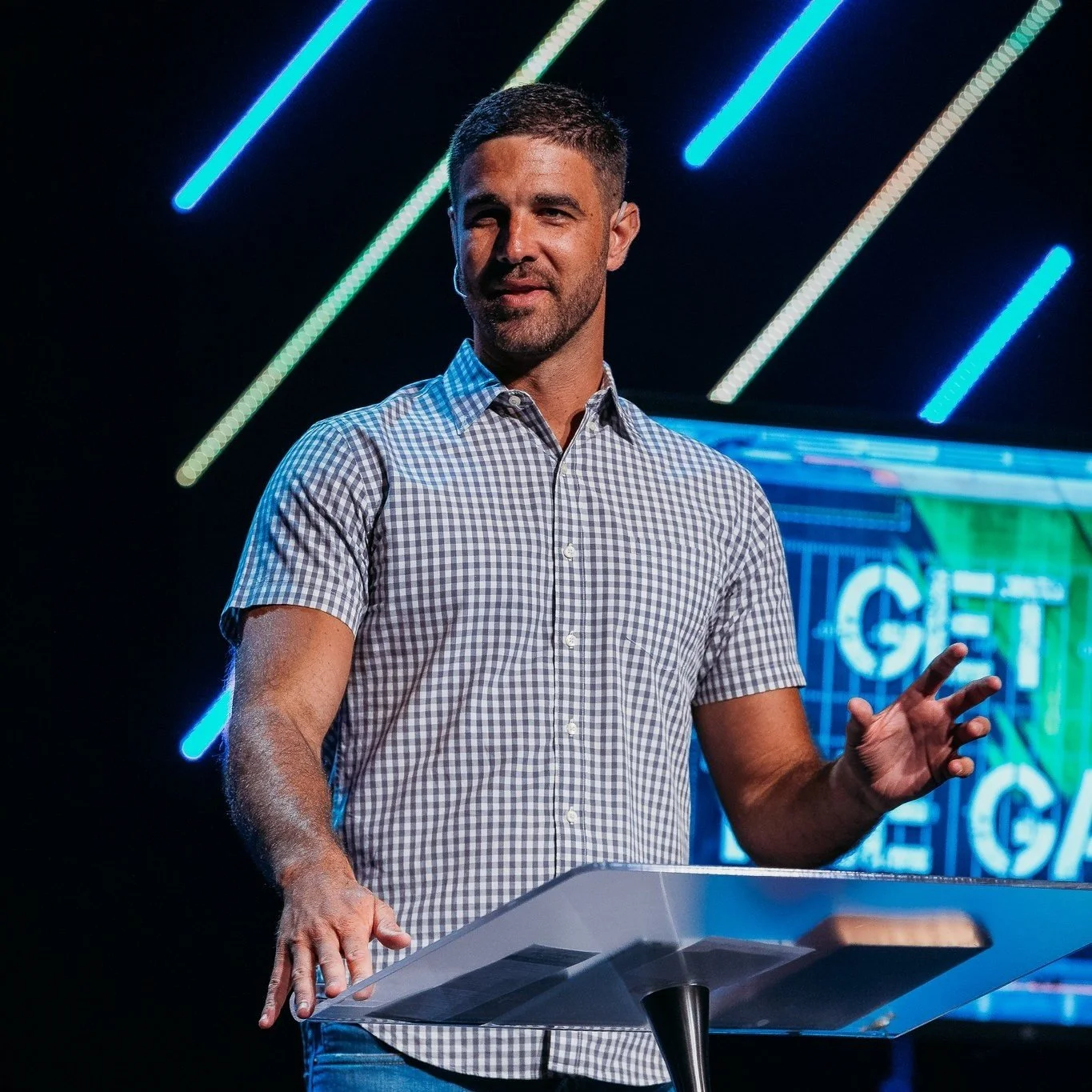
“Ordinary Movement has done an amazing job making disciples who make disciples. This ministry has not only impacted my life but the lives of many others that I know. I’m so grateful for this ministry!”
-Jeremy Duggins, Revive Church
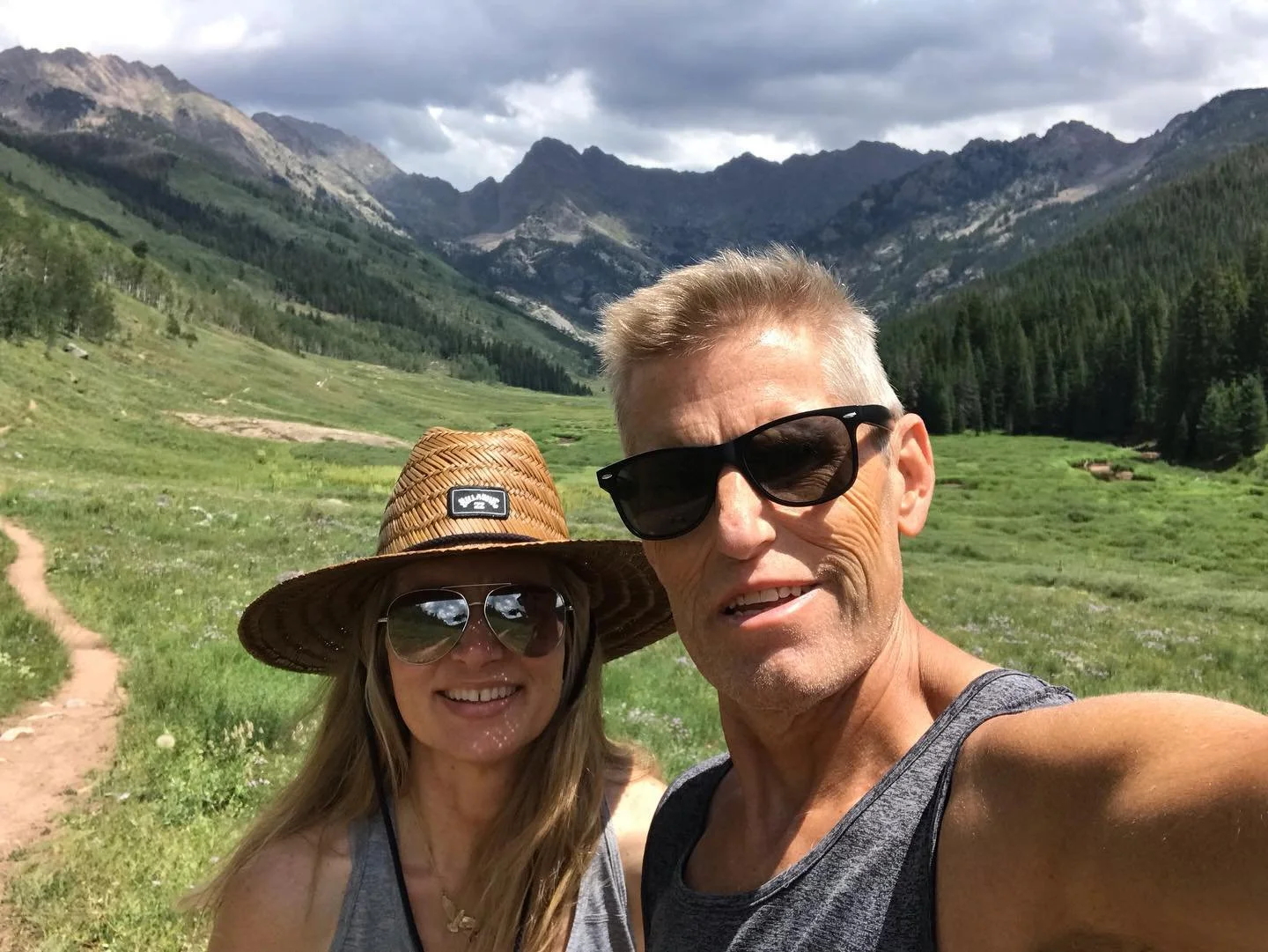
“In my 34 years of professional ministry, I have never come across a better designed help for discipleship!”
-Paul Hammontree, Mountain Life Calvary Chapel
“This past year was a great time of building relationships as well as reminding me of our need to continue to reproduce ourselves through discipling one another. The lessons were on point and the reading material was not so heavy that it made it a chore to complete the assignments each week. The fellowship times encouraged between the mornings we met to cover a lesson were a bonus to our camaraderie as well!”
-Randy Huckabee, Discover Fellowship Church
“Ordinary Men has been an ongoing part of our discipleship program at Whittington Church for over 3 years. Our groups of men not only go deeper in their faith in Jesus, but also deeper in their relationships with each other. The 'graduates' of the groups have become foundational in the positive transformation of our church men from 'casual followers' of Jesus to motivated leaders-- actively recruiting others and daily preparing for the spiritual battles of life, family and culture.”
-Mark Minor, Whittington Church
“One of the best discipleship-making experiences I have seen in my 43 years of ministry. This is truly a Movement that I believe will impact the world for Christ.”
-John Richey, Southpoint
How Churches Get Started
Step 1: Identify Your First Leaders
Handpick 3-6 high-capacity people (men and women) to lead the first groups. They sign up through our app and complete the free training.
Step 2: Launch Groups
Leaders gather their people and walk through the 27-session process. You champion them publicly — weaving discipleship into your messages and celebrating progress.
Step 3: Multiply
When groups end, participants become leaders. They launch their own groups. You now have mentors mentoring new leaders. The movement grows.
Common Questions from Pastors
-
Almost none. Groups are "pastor-championed, not pastor-led." You cast vision and celebrate. Your people do the leading. We provide the platform, training, and coaching.
-
The platform, training, app, and coaching are free. Workbooks and companion books have a small cost (paid by participants).
-
Ordinary Movement is interdenominational. We've worked with Southern Baptist, Calvary Chapel, Assemblies of God, Non-Denominational, Catholic, Presbyterian, and more. We major in the majors.
-
Below is our Statement of Faith:
We believe the Bible to be the inspired, infallible, and authoritative Word of God. The Holy Spirit inspired the writers of the Old and New Testaments pointing to Jesus Christ, the Savior of the world.
We believe that there is one God, eternally existent in three persons: Father, Son and Holy Spirit. These three are coequal and co-eternal.
We believe that God sent His Son, Jesus Christ to redeem all of mankind. Jesus Christ was born of a virgin, lived a sinless life on this earth, performed many undeniable miracles, was crucified for our sins, buried and was raised from the dead for our justification. By the name of Jesus Christ, and His name only, can mankind be saved. Jesus Christ sits at the Right Hand of the Father and will return personally in power and glory to receive His Church unto Himself.
We believe that mankind is sinful by nature and will perish without the saving knowledge of Jesus Christ as revealed in His Gospel. That God wishes that no one should perish, but that all would come to this saving knowledge through the preaching of the Gospel to a lost and hopeless world.
We believe that matrimony is a holy monogamous marriage between one man and one woman. This means that man and woman are two distinct genders willed by God their Creator in their respective beings, which reflect the image and nature of God.
We believe in the multi-faceted work of the Holy Spirit to bring conviction of sin, revelation of the truth of the Gospel of Christ, drawing of the sinner to God, adoption of mankind into the Body of Christ through regeneration, and the distribution and administration of the Gifts and Fruit of the Holy Spirit in the believer’s life. Jesus Christ is the “baptizer with the Holy Spirit” for the empowerment of the Church through the Baptism with the Holy Spirit.
We also uphold the Apostle’s Creed:
I believe in God, the Father almighty, creator of heaven and earth.
I believe in Jesus Christ, his only Son, our Lord, who was conceived by the Holy Spirit, born of the Virgin Mary, suffered under Pontius Pilate, was crucified, died, and was buried; he descended to the dead. On the third day he rose again; he ascended into heaven, he is seated at the right hand of the Father, and he will come to judge the living and the dead.
I believe in the Holy Spirit, the holy global Church, the communion of saints, the forgiveness of sins, the resurrection of the body, and the life everlasting. Amen.
-
Yes! You can see 8 of our 27 workbook sessions in the previews below.
Here is a preview of the Men’s Discipleship Workbook:
Men’s Workbook Preview
Here is a preview of the Women’s Discipleship Workbook:
Women’s Workbook Preview
Two Important Notes:Upon registration in our app, you'll be given access to order your physical workbook.
Seven of our sessions use third-party books, such as: Secrets of the Secret Place by Bob Sorge (1 Chapter), The Normal Christian Life by Watchman Nee (3 Chapters), The Spiritual Man by Watchman Nee (2 Chapters), Forgotten God by Francis Chan (Full Book). We believe these books effectively present essential practices and truths.
To gain access to our workbooks please sign up on our app here: https://ordinarymovement.com/app-intro
-
Groups can run on a tri-semester schedule, continuously, or however fits your church. [See the full framework for integration details → Click Here]
More questions on how to launch or sustain the growth in your church?
We’ve crafted a framework that guides pastors through each step of launching groups and sustaining a disciple-making movement in their church community.
Discipleship Track Options
One process. Three contexts.
Each has 27 sessions and runs 6 to 12 months.

Recommendation: Most churches run a mix of all three, with the majority being gender-specific.
Want to Learn More?
Watch: How Ordinary Movement Works (5 min)
Watch: Breaking down Ordinary Movement with a Discipleship Pastor, explaining what it is and how it works: (60 min)
Watch: Two Churches Using OM as Their Discipleship Pathway
Ready to Explore This for Your Church?
Option A: See the Implementation Framework
Get the full guide on how to champion groups, avoid common mistakes, and see multiplication in your church.
Option B: Schedule a Discovery Call
Talk with our team. Get your questions answered. We'll help you map out a plan for your church.
Are you a pastor or church leader that wants more intentional discipleship in your church?
If so, check out the interviews below where we have candid conversations with other pastors about how we can bring disciple-making back into our current church models.